Our Parish
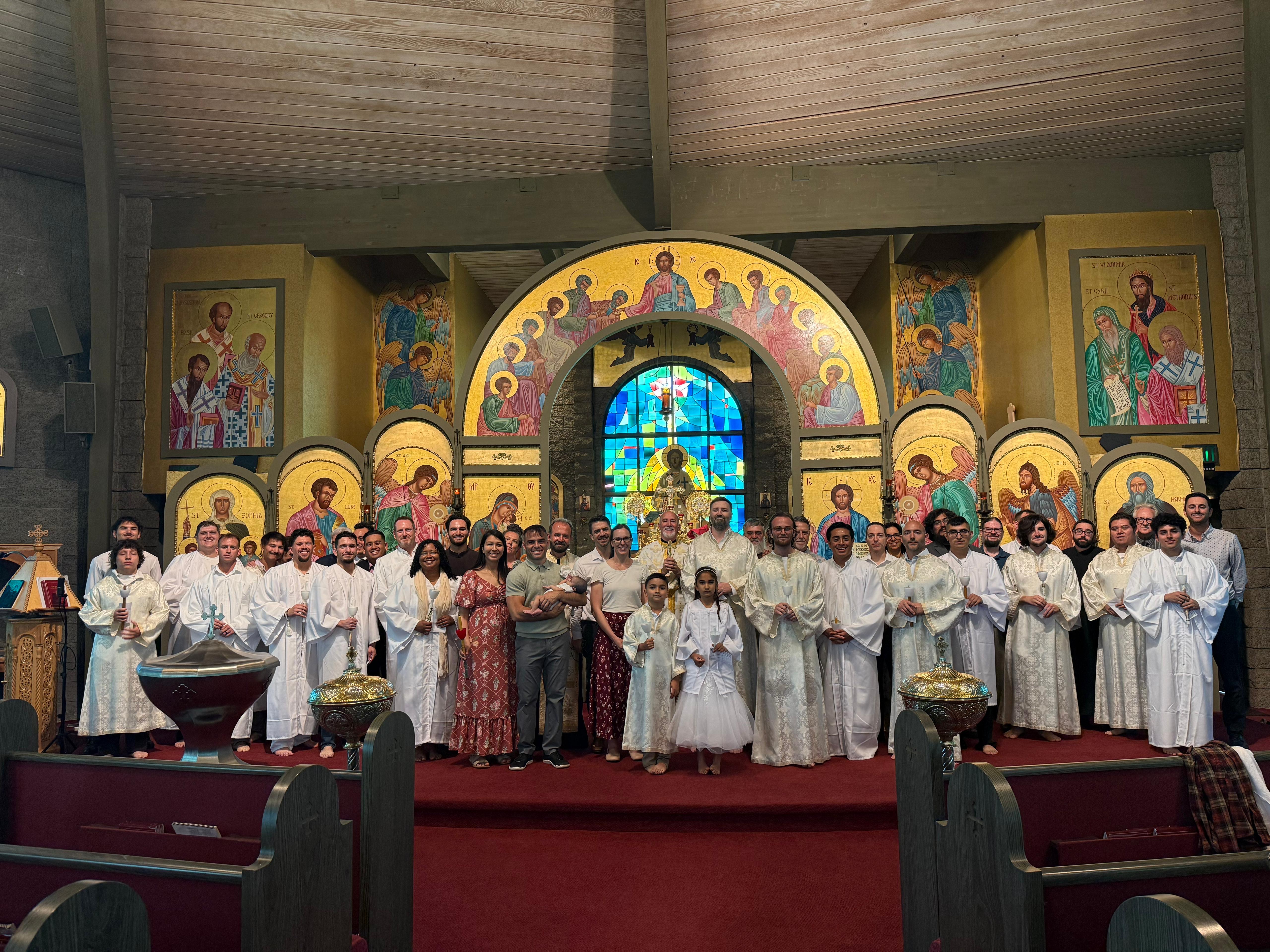
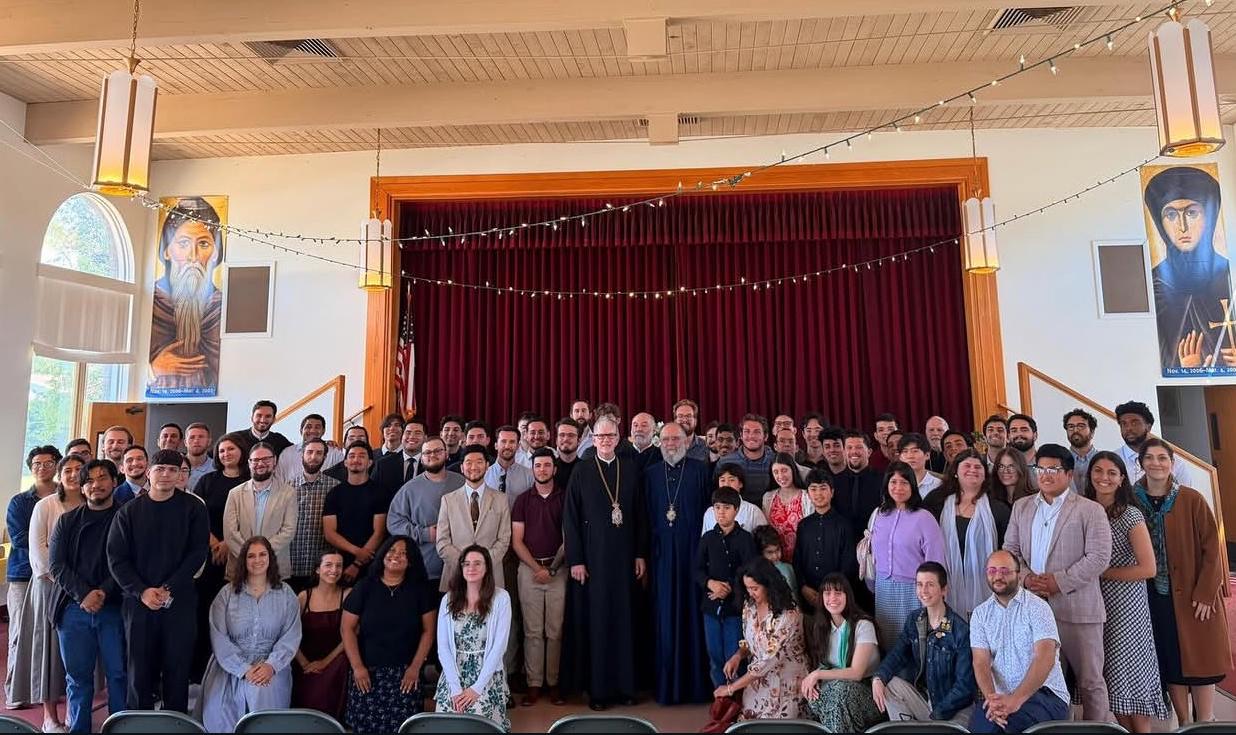
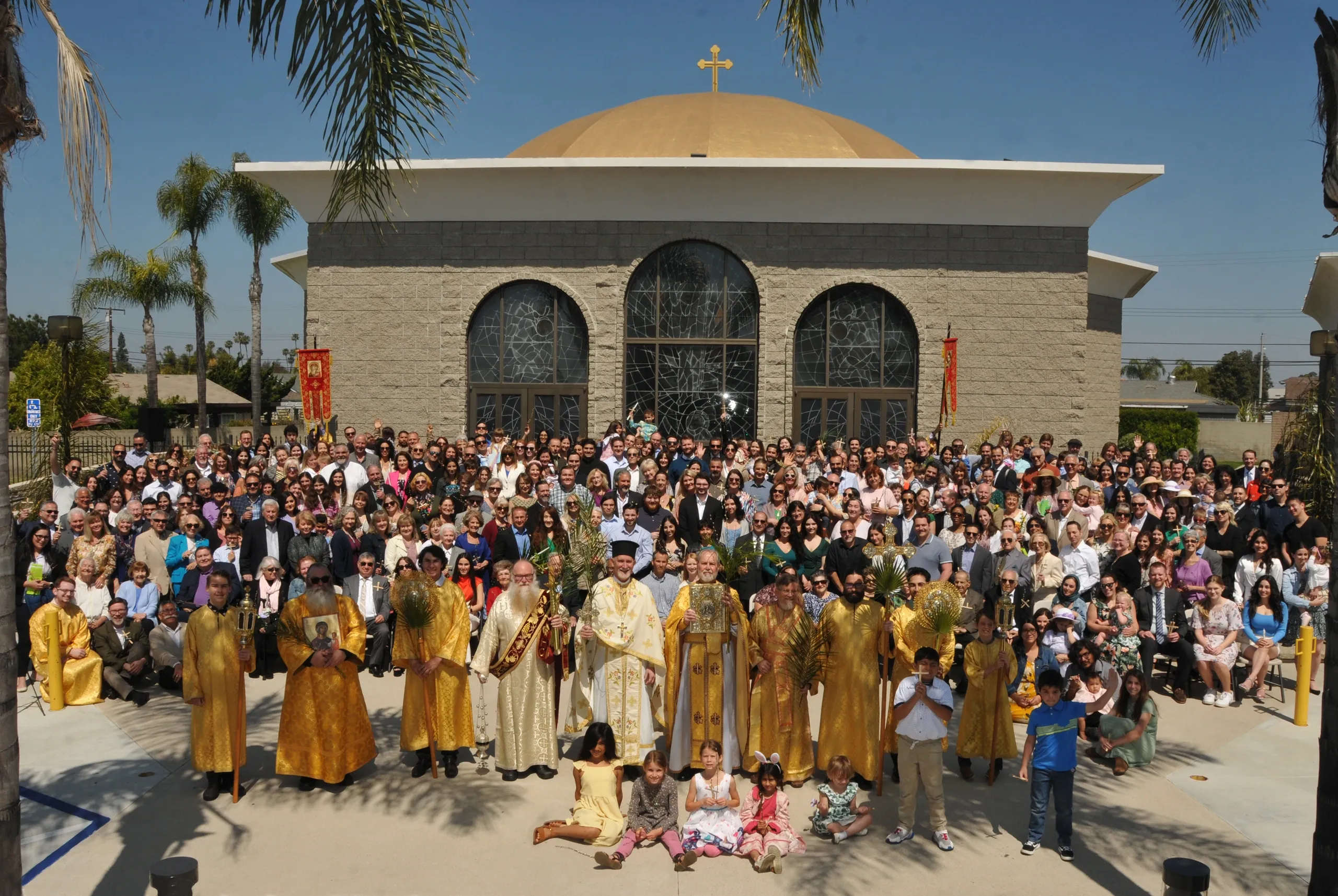
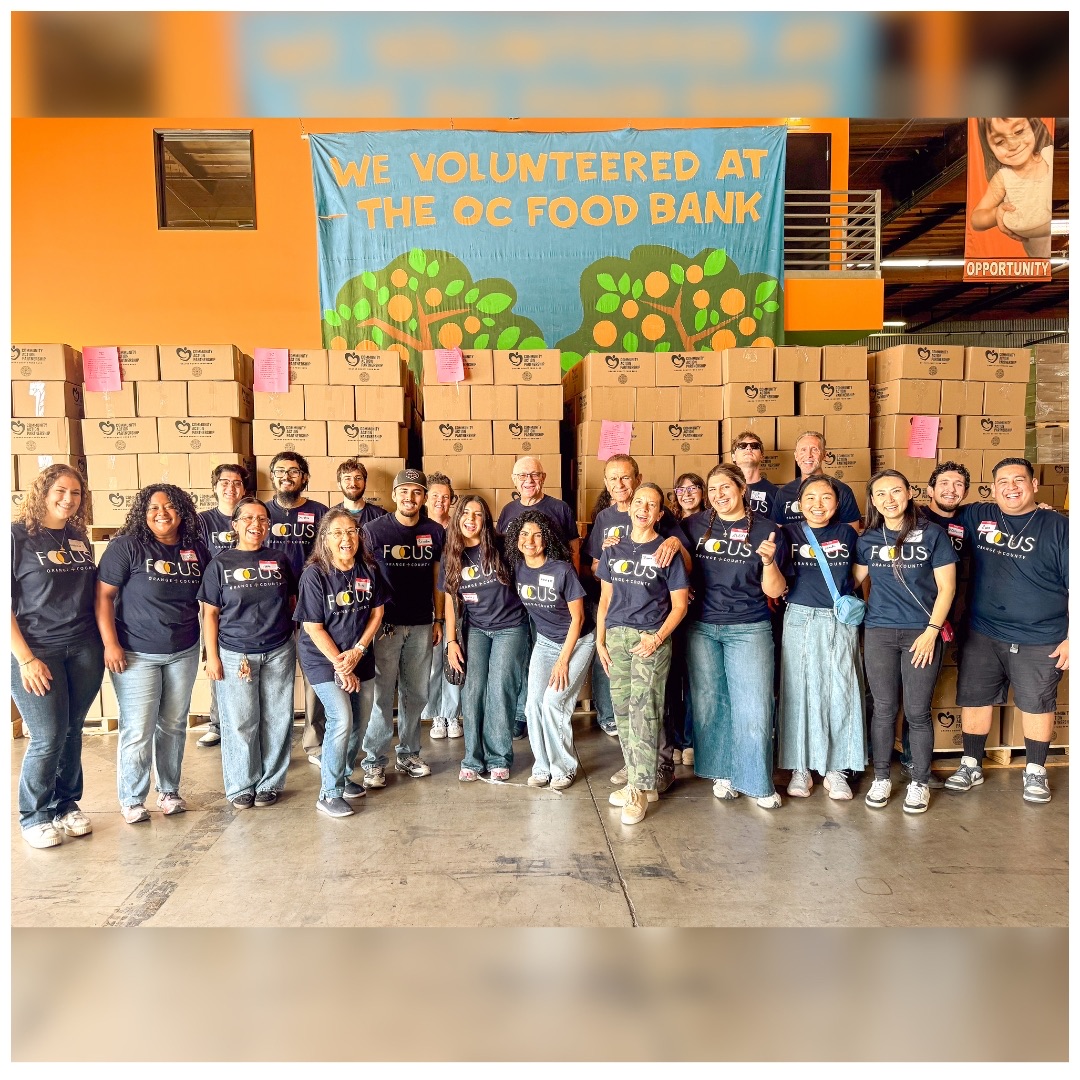
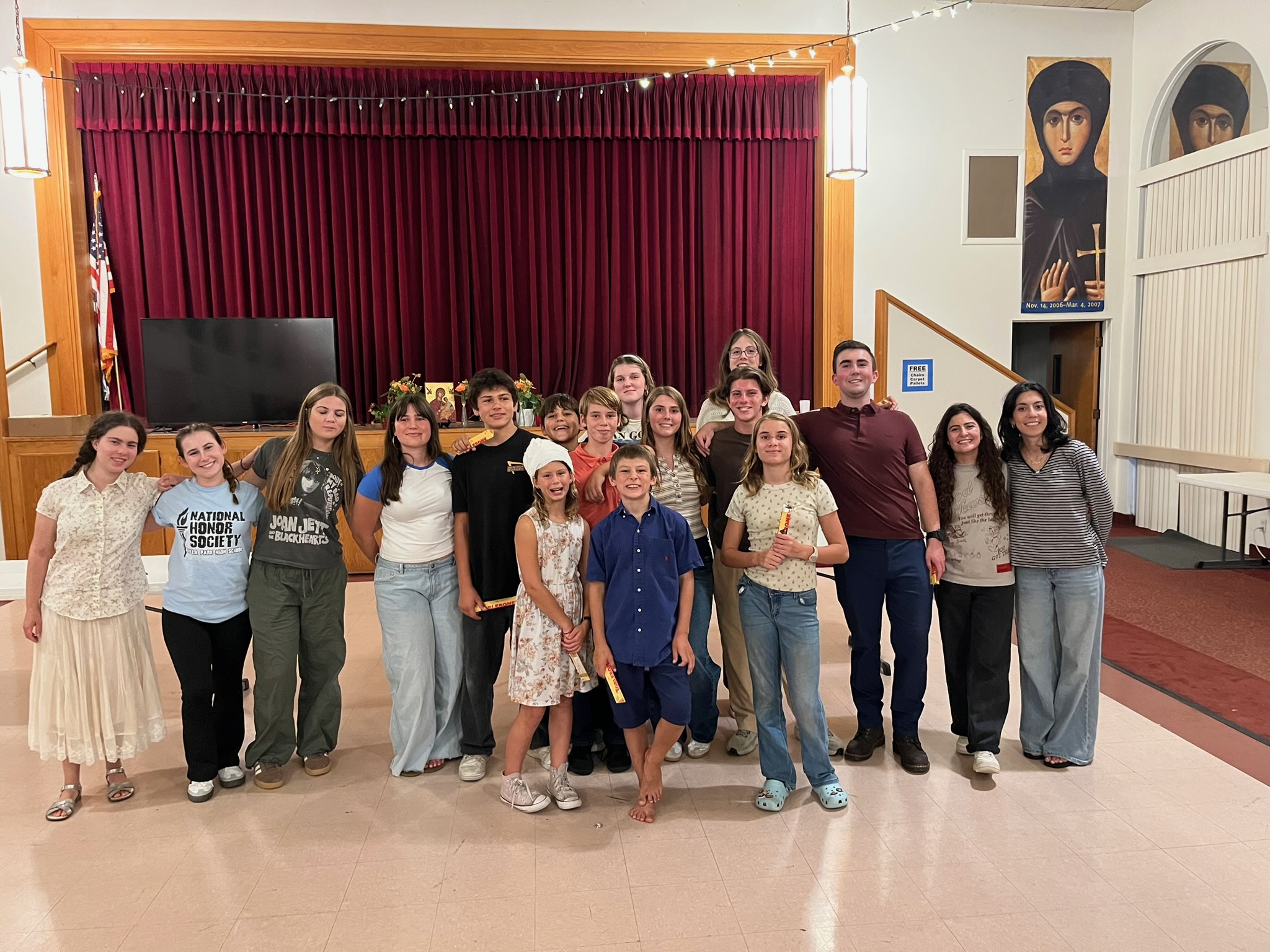
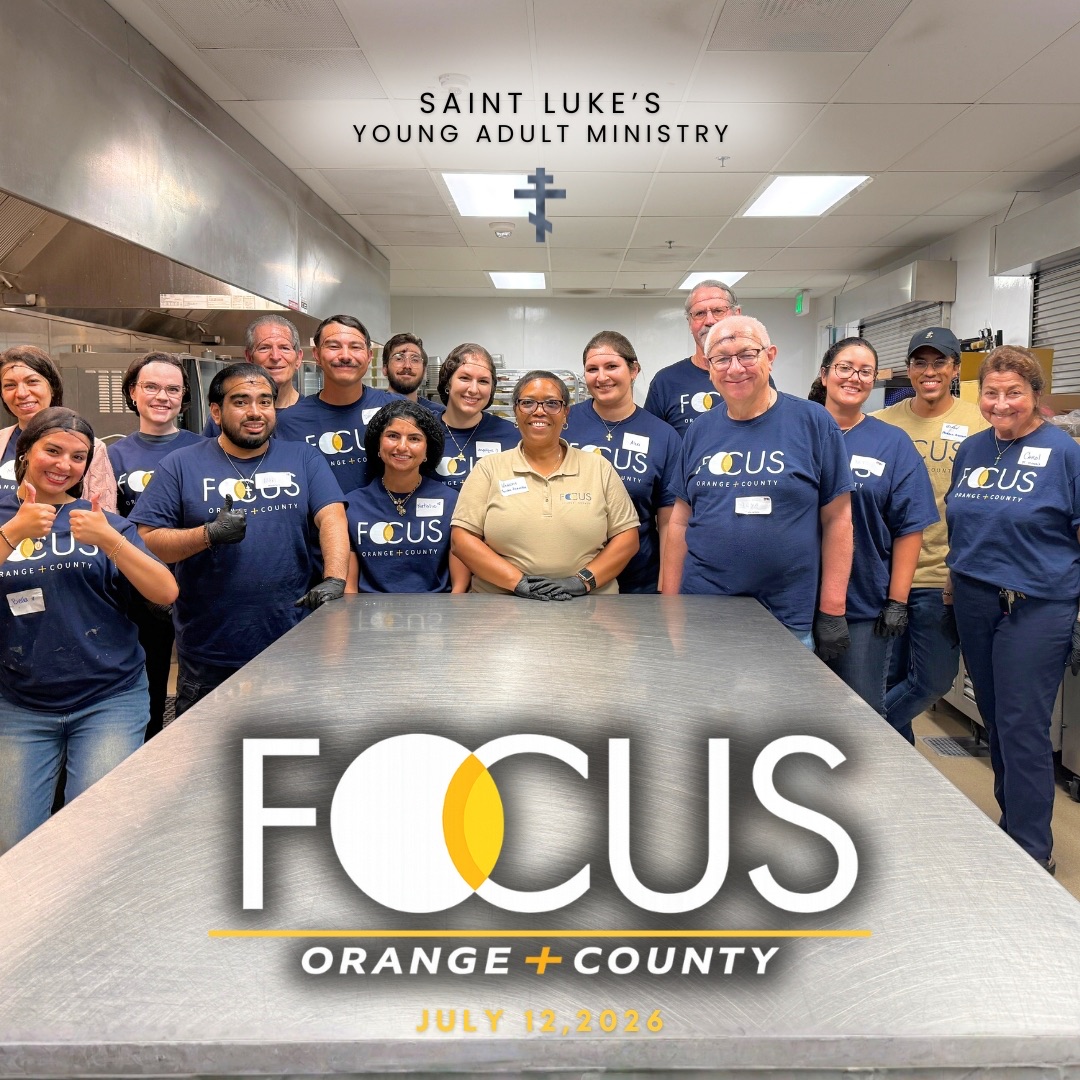
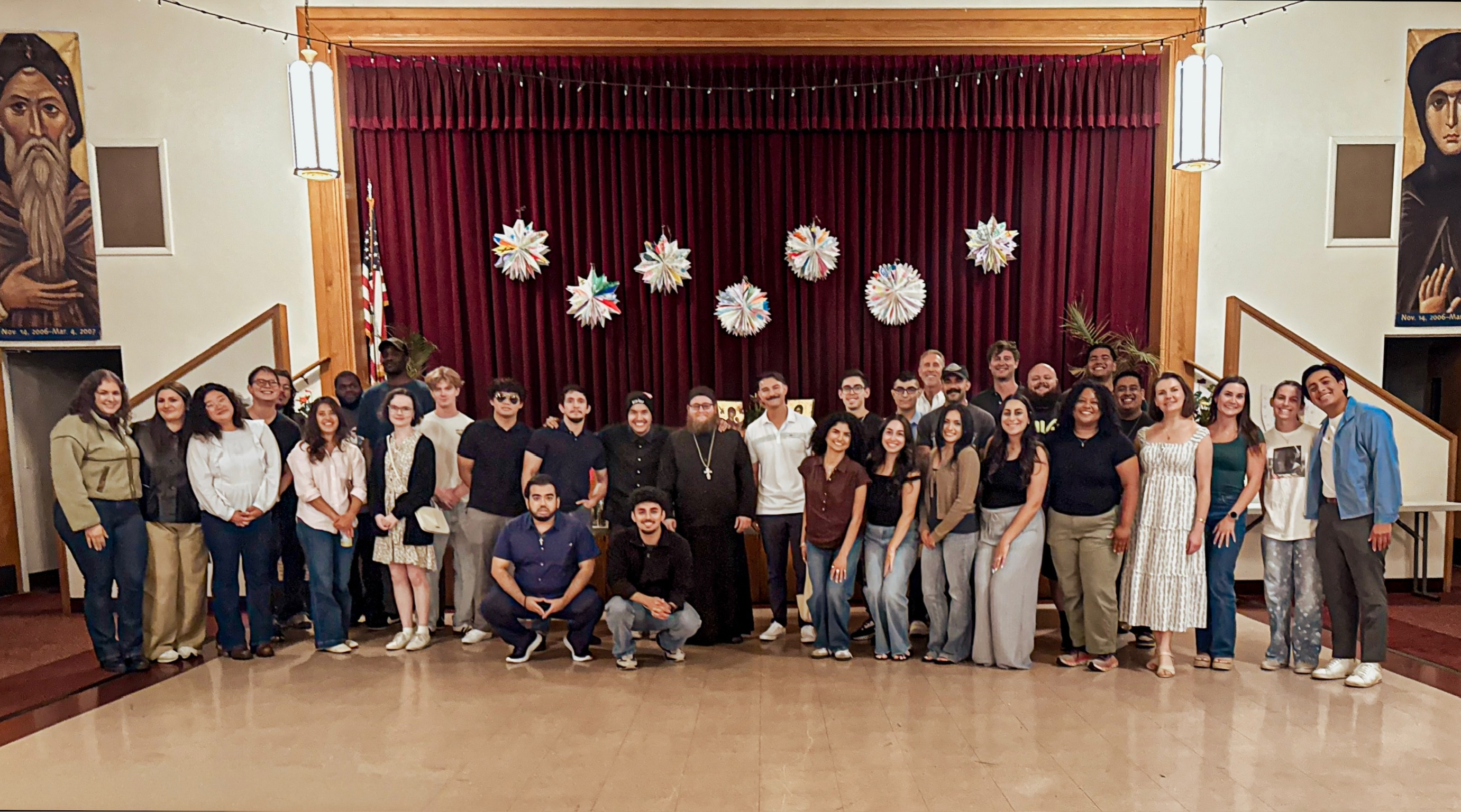
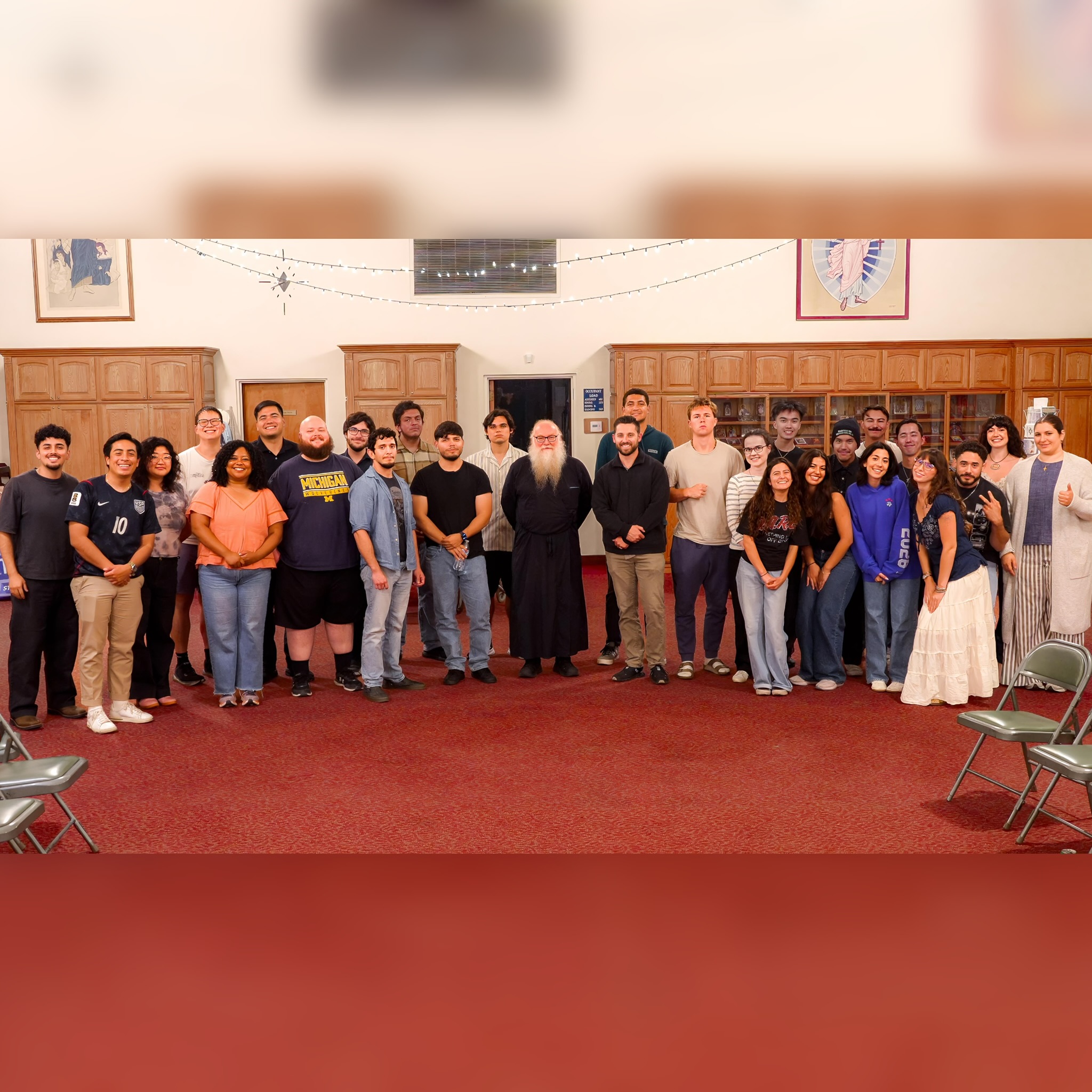
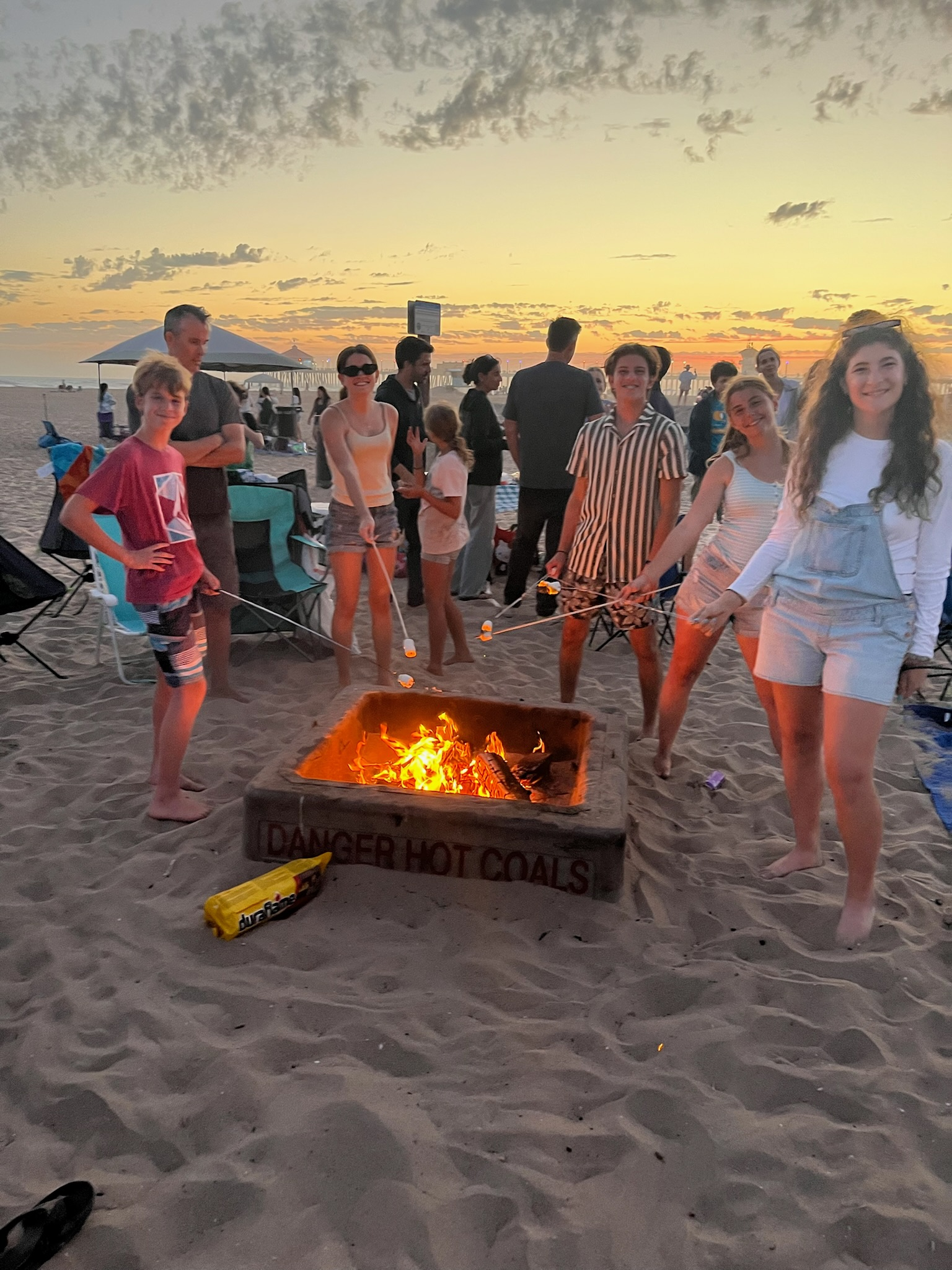
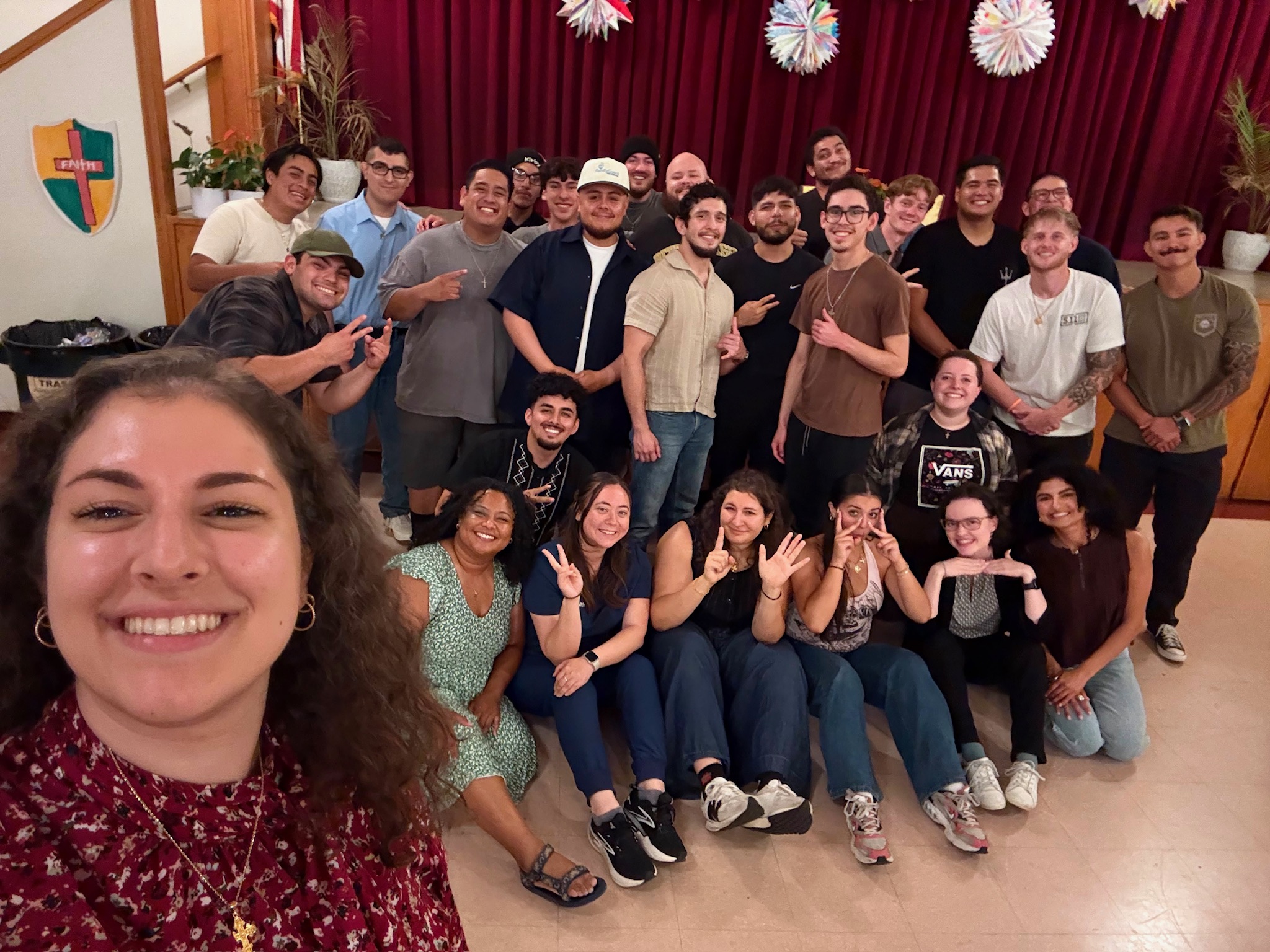
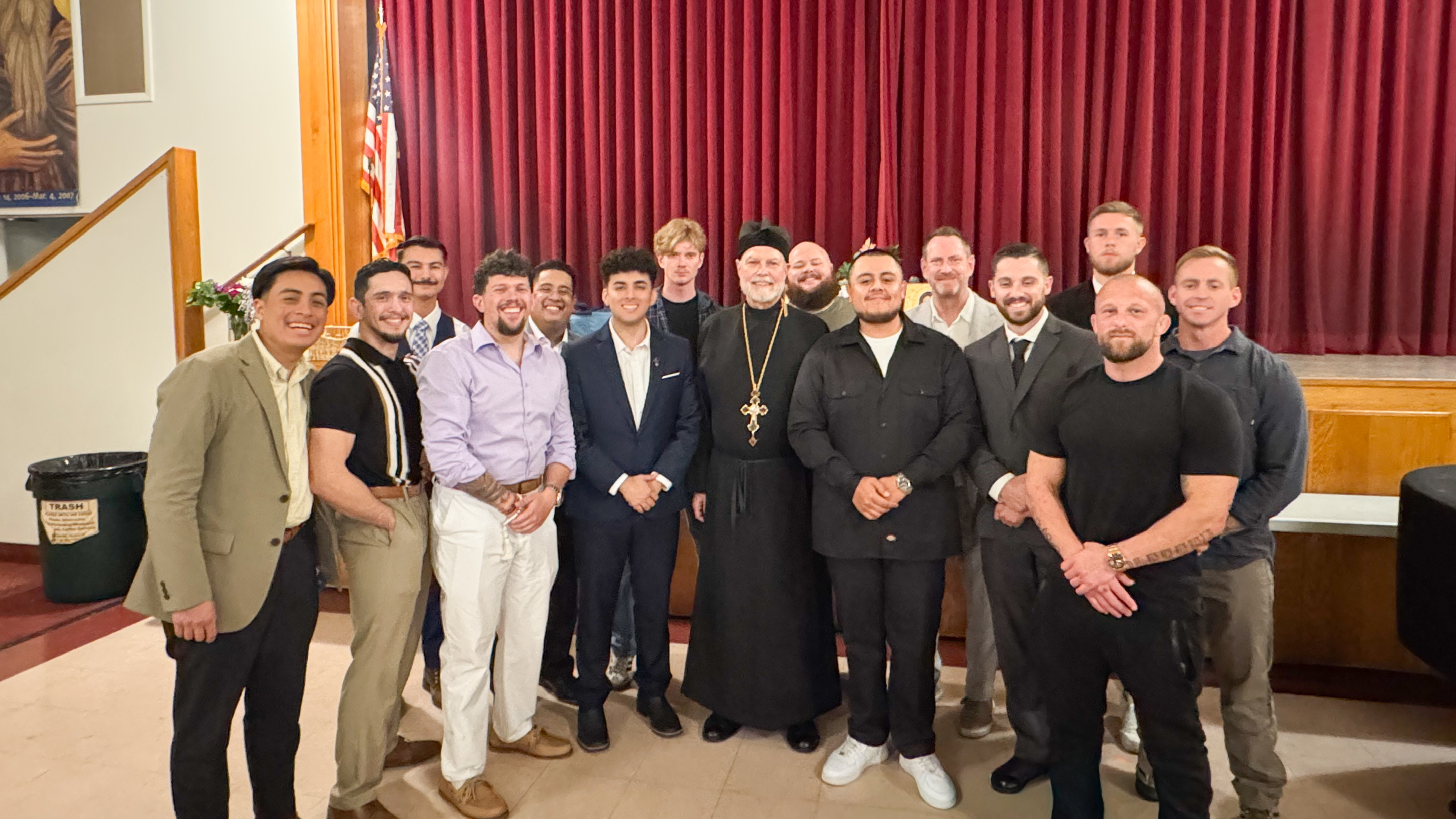
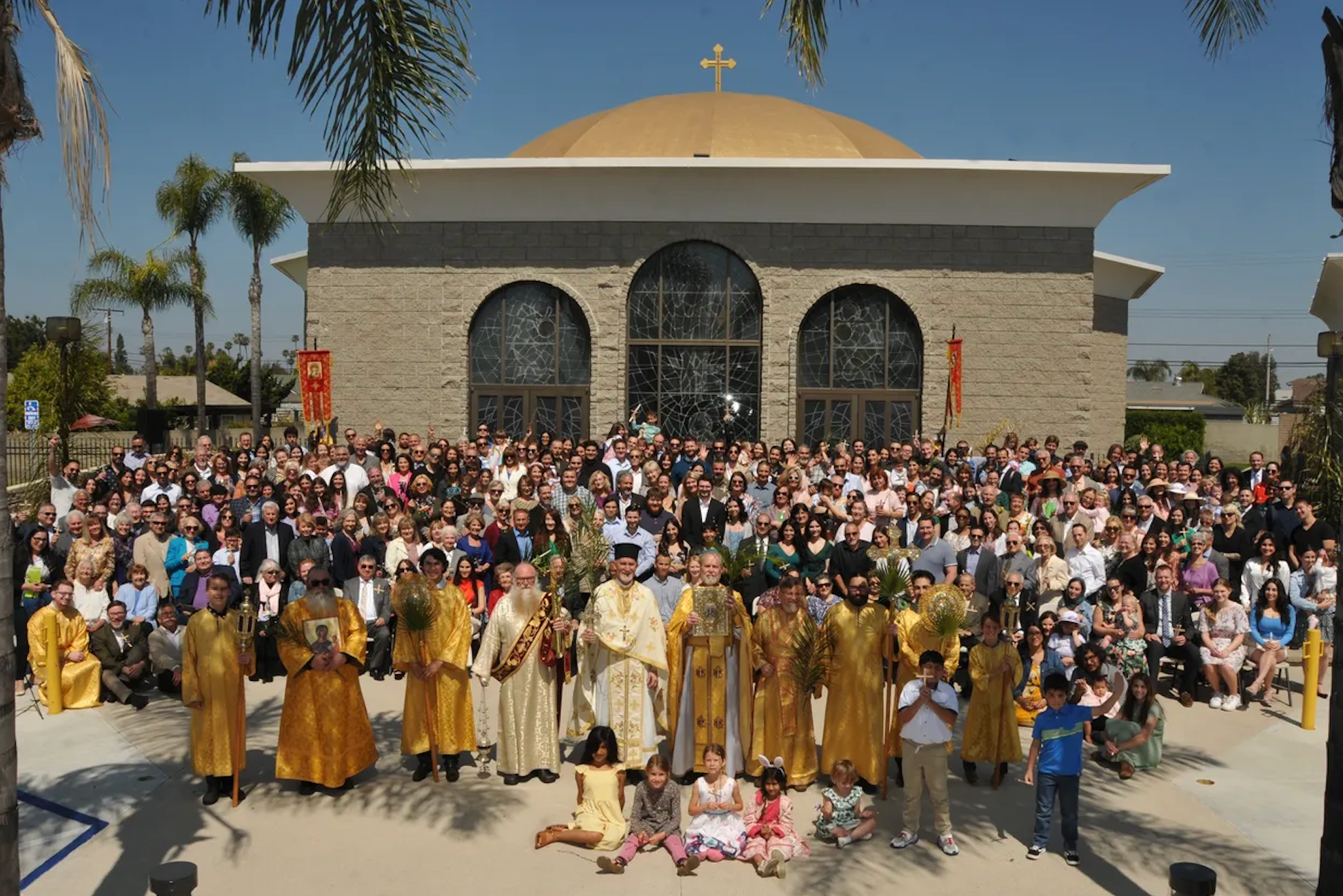
St. Luke’s is a Pan-Orthodox Church under the Antiochian Orthodox Archdiocese of North America, and all of our services are in English. Our community is made up of an array of ethnic backgrounds including Arabs, Greeks, Romanians, Slavs, and others.
We offer a variety of services throughout the week, with opportunities to gather in prayer, learn about the faith, and grow together in Christ. Rooted in the ancient Christian faith, our parish brings people of many backgrounds together in worship, fellowship, and service. Whether you are visiting for the first time or looking for a church home, we would love to welcome you into the life of St. Luke.
Service Schedule
(Learn the Faith):Tuesday at 6:30pm / 7:00pm
FAITH, SACRIFICE & A CHURCH BUILT TOGETHER
Our History
What began in 1959 as a small gathering of Orthodox Christians became a church home built through prayer, generosity, and the work of its own people.
A home for the Orthodox faithful
In 1959, a small group of Orthodox Christians set out to establish a church in Orange County. Many had come west from Pennsylvania, New York, and other parts of the country. They brought with them a love for their faith and a simple hope: a place where their families could worship and their children could grow in the life of the Church.
On February 19, 1959, Metropolitan Anthony gave Fr. James his blessing to organize the new mission. The first gatherings took place wherever room could be found, including local funeral homes. In time, the community purchased a small church on Menteer Street. Fr. Reinhold helped hold the young parish together through those early years, and Fr. Gabe would help lead it into a new chapter. Within five years, the little church could no longer hold the growing parish.
Faith that put homes on the line
Parishioner and contractor George Hanna helped find the land that would become our present home. But finding the property was only the beginning. The parish needed a loan, and the bank required more collateral than the church could offer.
The bank asked for ten families willing to pledge their homes. Parishioners stepped forward, placing their own homes behind the future of St. Luke. If the church could not repay its debt, they stood to lose the roofs over their families’ heads. A $120,000 loan guarantee dated December 3, 1967 bore witness to that commitment.
The guarantors included members of the Kouri, Khorey, Neff, Dibbs, Haddad, Hanna, Saba, Carpenter, and Andrews families. Together, they accepted a remarkable responsibility so that the generations after them would have a church to call their own.
Built by their own hands
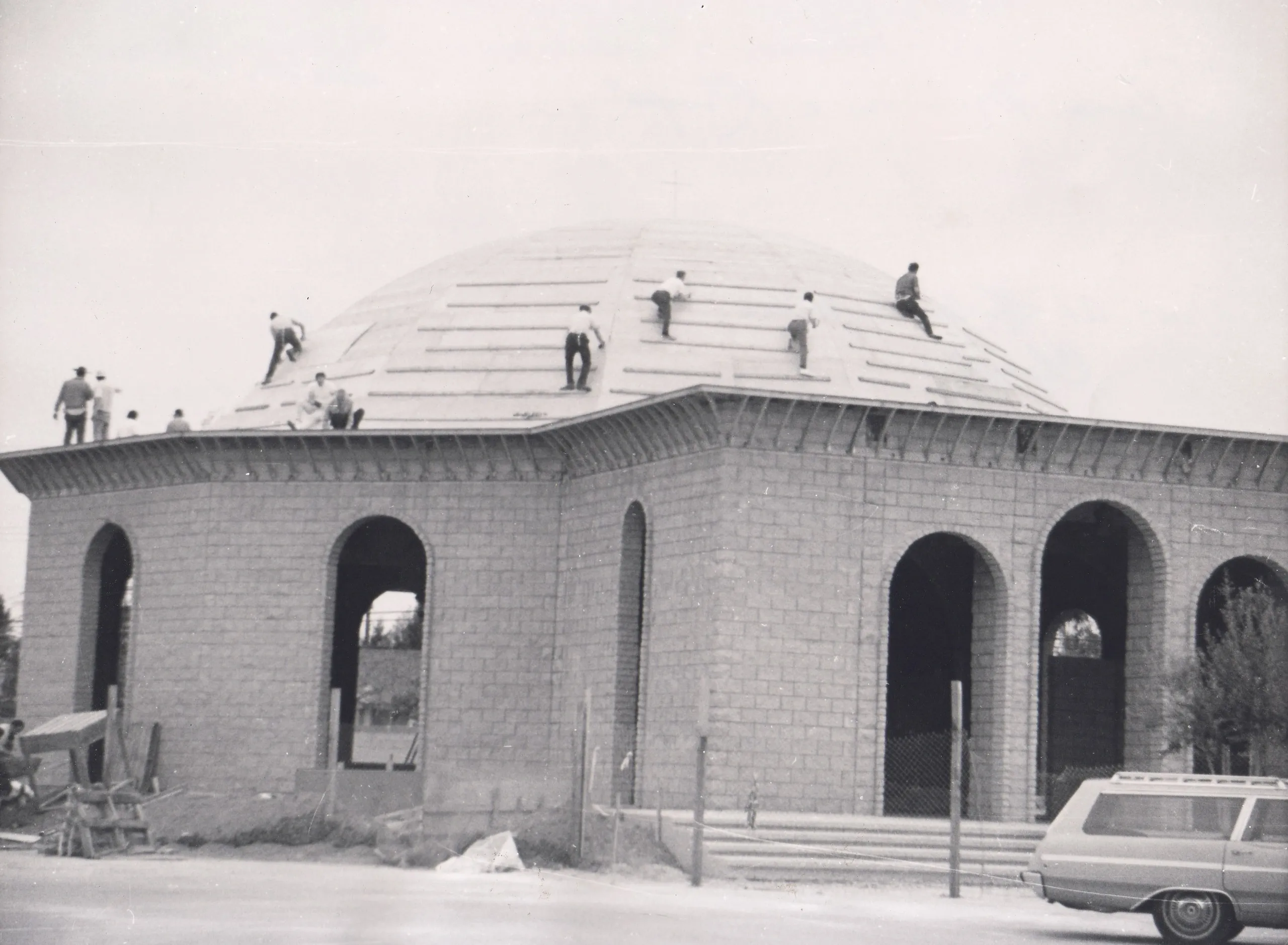
With the land secured, the parishioners went to work. Under George Hanna’s direction, about 20–25 men arrived each Saturday with their hammers, ready for whatever needed doing. Some brought experience; others learned along the way. Week after week, they returned, fitting the work of building a church around their jobs and family lives.
The women of the parish sustained that effort with meals, financial support, cleanup, and hands-on help. Dorothy Mona made sure the Saturday crews had lunch. Every task mattered, and every willing pair of hands helped bring the parish closer to its goal.
The hall and Sunday school classrooms were built first. By July 1968, the community was celebrating Divine Liturgy in its new hall. Construction of the church itself began in 1972, with a design inspired by early Christian churches and shaped so that parishioners could build it themselves. On April 15, 1973, Metropolitan Philip joined them for the opening of its doors. The church was consecrated on March 31, 1974.
A parish for many backgrounds
As the buildings took shape, so did the life within them. Worship in English brought Orthodox Christians of many backgrounds together in an Antiochian parish they could all call home. The choir, youth groups, and international festivals gave families countless ways to serve, form friendships, and share their traditions.
Choir director George Barany helped nurture the parish’s rich musical life. In the years that followed, Fr. Michael continued its welcoming, Pan-Orthodox spirit, bringing together musical and cultural traditions while remaining faithful to the parish’s Antiochian roots.
The founders built with the generations to come in mind. Their work continues whenever we gather for prayer, welcome a visitor, teach a child, or care for one another. The church they raised with their own hands remains our home, entrusted to us to love and pass on.
IN THEIR OWN WORDS
Our 50th Anniversary Film
Hear the founding families tell the story of St. Luke: the risk they took, the Saturdays they spent building, and the friendships that made a parish.
Watch the Anniversary Film ↗
PLAN YOUR VISIT
Frequently Asked Questions
New to St. Luke or exploring the Orthodox faith? Select a question below to learn more.
What is Orthodoxy?
Orthodox Christianity is the ancient Christian faith centered on Jesus Christ, His Resurrection, and life in His Church. Its worship, teachings, and sacramental life continue the faith handed down by the Apostles. At St. Luke, we invite you to discover that faith by joining us in prayer and worship.
What can I expect when entering the church for the first time?
You will encounter icons, candles, incense, chanting, Scripture readings, and prayers. People may make the sign of the cross, bow, or venerate icons. You are welcome to observe and listen without knowing every custom. Let someone know you are visiting, and feel free to ask questions after the service.
What is the proper dress and clothing attire?
Choose modest, respectful clothing that is comfortable for worship. You do not need special clothing to visit, and there is no need to purchase an outfit. Comfortable shoes are helpful because Orthodox worship includes standing. If you have questions about parish customs, please contact us.
Is the church accommodating to families with children?
Children and families are welcome to worship with us. We understand that children make noise and need time to become familiar with services. Parents may step out briefly when needed and return when ready. Please ask a parish member or our clergy if your family needs assistance.
Can I attend if I am not Orthodox?
Yes. You are welcome to attend our services whether you are Orthodox, belong to another Christian tradition, follow another faith, or are simply curious. You do not need to become a member before visiting. Come, listen, and take the time you need to learn.
Are the services in English?
Yes. All services at St. Luke are in English. Our parish includes people from many ethnic and cultural backgrounds, united in the Orthodox Christian faith.
How long are the services, and when should I arrive?
The length varies by service and feast day. A Sunday Divine Liturgy commonly lasts around 90 minutes to two hours; Matins is a separate service beforehand. Our Sunday Matins begins at 8:50am and Divine Liturgy at 10:00am. Arriving a little early gives you time to settle in. Please check the parish calendar for special schedules.
Do I have to stand throughout the service or follow every gesture?
Standing is a traditional posture of prayer, but please sit when you need to, especially for health, age, pregnancy, or fatigue. Visitors are not expected to know every gesture or prayer. Simply observing respectfully is a good way to begin. Ask a parish member if you would like help following the service.
May visitors receive Holy Communion?
Holy Communion is reserved for Orthodox Christians who are properly prepared and in communion with the Church. If you are not Orthodox, please remain in your place during Communion and join us in prayer. Visiting Orthodox Christians should speak with the priest beforehand about receiving. Our clergy will be glad to explain and answer your questions.
How can I learn more or begin becoming Orthodox?
Begin by attending services regularly and speaking with our clergy. Orthodoxy 101 (Learn the Faith) meets on Tuesdays at 7:00pm, following Small Compline at 6:30pm. Our Inquirers and Resources pages offer further reading. Becoming Orthodox is a guided journey of worship, learning, and preparation with the Church; there is no need to rush.
What are some common customs and courtesies I should be aware of?
Enter quietly, silence your phone, and be considerate of those praying. You may see people lighting candles, bowing, making the sign of the cross, and venerating icons; visitors may simply observe. If you arrive during a reading, procession, or another solemn moment, pause near the entrance and follow an usher’s guidance. Please ask before taking photographs, and speak with our clergy if you have questions about Communion or other customs.
What are Icons?
Icons are sacred images of Jesus Christ, His Mother, the saints, and events in the life of the Church. They help direct our attention to God and remind us of His work in the lives of His people. Orthodox Christians honor, or venerate, icons; we worship God alone. The honor shown to an icon is directed to the person depicted, rather than to the wood or paint. You are welcome to observe without feeling obliged to kiss an icon.
What are catechumens?
Catechumens are people preparing to be received into the Orthodox Church through a period of instruction, prayer, and participation in parish life. Becoming a catechumen is a step taken with the guidance and blessing of the priest. It gives a person time to grow in understanding and live the faith before being received into the Church.
What is the process of becoming Orthodox?
Start by attending services and meeting with a priest to discuss your questions and background. As you continue learning, the priest may guide you into the catechumenate, a period of preparation that includes worship, instruction, prayer, and growth in the Christian life. When you and the priest discern that you are ready, you are received into the Church through Baptism and/or Chrismation, as directed by the Church. The form of reception and the time of preparation depend on your circumstances and pastoral guidance.
Still have a question? Get in touch with us.
Our Clergy

Rev. Fr. Jacob Andoun
V. Rev. Fr. Michael Tassos
V. Rev. Fr. Jon Fate
Protodeacon Stephen Bell


Download Our App
Available on the Apple and Google Play store